
October 2022 – Message from the Individualized Funding Coalition
Now is the Time!
The Individualized Funding Coalition for Ontario (IFCO) is pleased to be launching a comprehensive paper called: Now is the Time, Key Principles and Core Elements to Bring About Effective Individualized Funding Mechanisms in Ontario. Click this link to download the Now is the Time Report
This paper is a synthesis of many of the writings produced by IFCO, as well as some provincial, national and international research reports and information, and direct input from people, families and others. It is about individualized funding, third party assistance like independent facilitation and planning, individualized mechanisms and structures for people including the recognition of rights, support for decision-making, social networks and more. All this leading to an effective individualized approach for living an everyday, ordinary life of inclusion and social connections. (Continued . . .) To download and continue reading message click here: A Message from IFCO, October 2022
April 2022 Message
The Provincial Election: Your chance to talk about individualized funding and adequate in-home supports for elders and people living with disabilities!
The issue of providing adequate funding for people living with disabilities, and for elders who want to stay in their own homes, has again come to the forefront in Ontario. Many individuals, families, and older adults are asking that funding be adequate and ‘individualized’ so they can 1/ live their best life and 2/ choose their own supporters – supporters who would be accountable to them and not a system. We are hearing a ‘shout out’ for a great deal more flexibility and less institutional-think in Ontario.

Whether it be about the Ministry of Children, Community and Social Services (MCCSS) and funding for Special Services at Home (SSAH), Passport or other types of individualized supports OR the Ministry of Health, for direct funding or self/family managed home care. All of these areas are needing new investments. To read more download the pdf of this message: A Message from IFCO April 2022
February 2022 Message
Updates and items to keep in the forefront
Remembering Barb Folke: We were sad to receive the news that Barb Fowke had passed away. Barb supported the work of the Individualized Funding Coalition for Ontario (IFCO) over many years in her various roles as a leader, including as a People First member and President, and as a citizen wanting to give back. Click on the title here to read the article called Remembering Barb Fowke, Speaker, writer, poet, and painter – friend and colleague to many. The article is a reflection about Barb’s contributions to IFCO, including her assistance in the creation of some legacy documents with IFCO and others. This reflective piece ends with two of Barb’s poems. Barb will always be remembered fondly for her poetry, and her kindness to others. To continue reading this message, download the pdf called: Updates and items to keep in the forefront – Message from IFCO, Feb. 2022
January 2022
Thoughts for 2022
Many of us who have been involved in disability issues over the years – like full inclusion and receiving adequate, flexible, individualized funding & support for people with disabilities – are interested in social justice as a whole. And this is the time of year when many citizens think about others in need – people who are marginalized, or people experiencing discrimination.
 What this message is bringing forward are social justice issues that have been close to many of our hearts throughout 2021.
The Individualized Funding Coalition for Ontario (IFCO) Leadership Group has been sharing in some good discussions with people, families, and allies over the last months. A number of important issues facing people living with disabilities are front and centre. To read the rest of this message click here to connect to the pdf called: Thoughts for 2022, Message from IFCO January 2022
December 2021
Direct Funding Can Enhance Home Care for Elders
By John Lord, December 7, 2021, Seniors for Social Action Ontario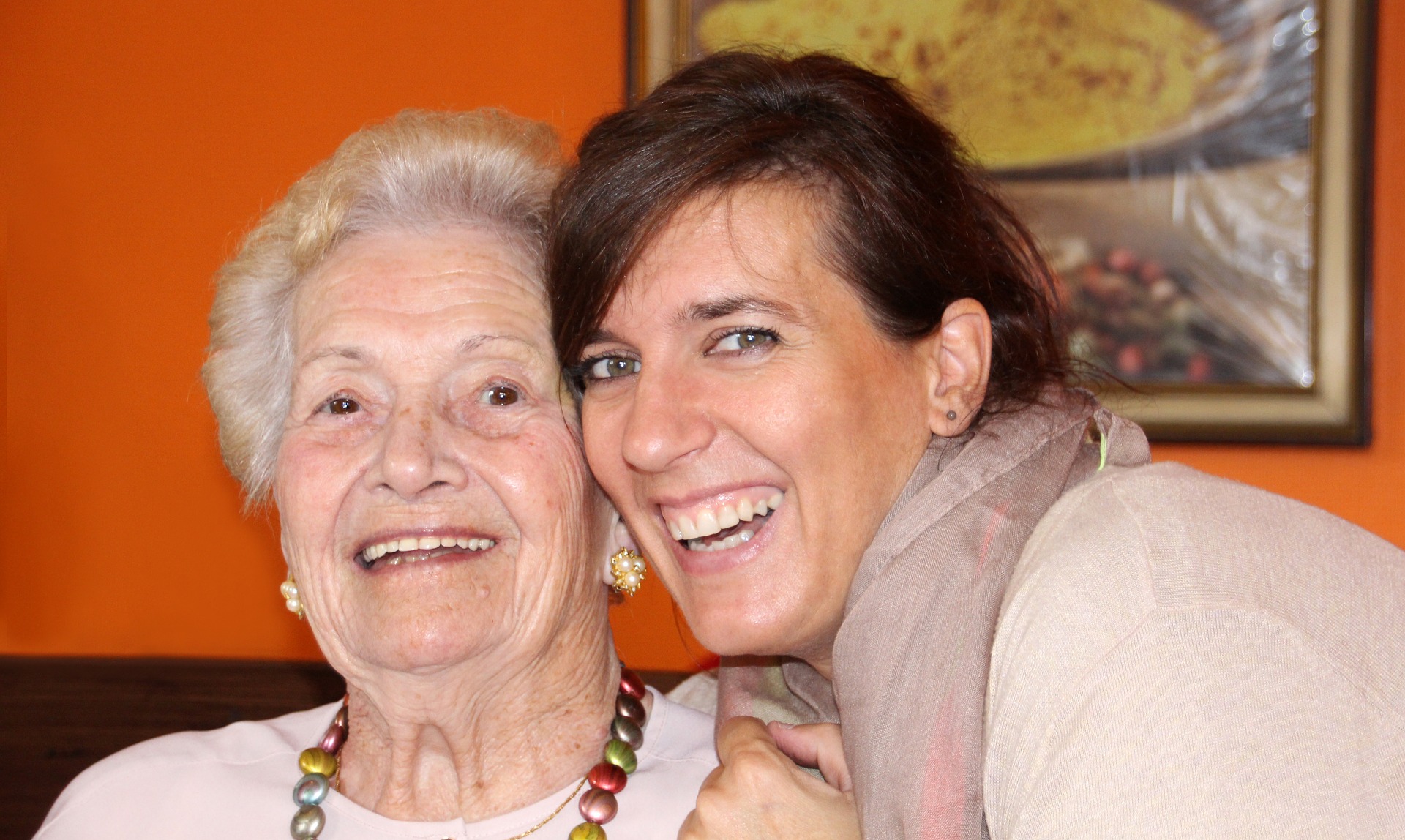
There is growing interest among senior’s advocates for direct individualized funding to be a key component in a transformed elder care system. Directly-funded home care is an option that many elders need and want.
In most home care programs, people receiving support have little say about who or when staff come into their home. Many elders have expressed frustration with not being able to influence the way their personal supports are provided. It is also not unusual for home care recipients to have several different workers coming in and out of their home.
Direct funding provides government funds directly to the person needing support or to the family. The person/family can then choose who will provide support to them as well as when and how that assistance will be utilized. The recipient of direct funding can self-manage (hire, provide direction, deal with payroll) or they can assign those roles to another person or an agency. Direct funding also expands workforce capacity since people can hire neighbours and others in their network.
People with disabilities and their allies have long been advocates for direct funding. All provinces now have some form of direct funding for people with physical or developmental disabilities. Few of these programs are comprehensive and most do not fulfill all the support needs of disabled citizens. Nevertheless, with forty years’ experience with direct individualized funding, much has been learned that could benefit home care for elders.
To continue reading the entire article, you can link to the pdf document here: Direct Funding Can Enhance Home Care for Elders
To learn more about Seniors for Social Action Ontario (SSAO), go to their website: https://www.seniorsactionontario.com/
A Message from the Individualized Funding Coalition for Ontario Fall News Brief – September 2021
Reflections: Past and Present

The Individualized Funding Coalition for Ontario’s Leadership Group has had some good conversations and gatherings over the last few months with: people and families; independent facilitators, partners and allies; executive directors and provincial leaders, and the Ministry of Children, Community and Social Services (MCCSS). Many thanks to the leaders who have helped us – you know who you are! It has been a busy and productive time.
For many of us, it has also been a time of remembrance. Given all that we have seen and experienced in the last months, we are also remembering key leaders who have passed away. As we wrestle with this new environment where hopes for social justice and pro-active reform abound, those who worked with the Individualized Funding Coalition for Ontario (IFCO) for change are being deeply missed.
Malcolm Jeffreys, Judith Snow, Peter Dill, Beth French, and Richard Ruston are names that keep coming up as we reflect about what IFCO accomplished and learned because of each of these amazing leaders. Their courage, innovation, commitment, and wisdom were predominant within ‘our’ movement to enhance citizenship, self-determination, inclusion, and the use of individualized funding to increase choice and control for people living with disabilities. Their names continue to be mentioned as we collectively think about ways to work together at moving individualized funding into the future.
These leaders had an integral part in the positive change that happened within Ontario – through the 80’s, 90’s, and the early 2000’s. We would now call it ‘major change’ in looking back – change that led to many people able to:
- choose lives as full citizens,
- be in control of their funding and their supports,
- choose their relationships paid and unpaid,
- live in their own home option with supports, and
- follow their passions on a day-to-day basis.
. . . . We know that the earlier years of innovation have been stalled for awhile now. But the good news is that there are current examples and pockets around the province that can bring hope and knowledge into our future planning. What does having these pockets mean? Having them means there is a collective “we” made up of different stakeholders with long-time, lived experience who know how to successfully do this!
To continue reading: IFCO Message, Fall News Brief, Sept. 2021
April 2021 News
Why Ontario doesn’t need ‘more’ institutionalized supports for seniors and others living with disabilities
For decades the Individualized Funding Coalition for Ontario (IFCO) along with many other provincial organizations, service agencies, people and families have supported the closure of institutions for people with disabilities. They have done this knowing there are other options that can provide what is required for people to be successfully supported. This meaning: viable alternatives and supports in people’s homes, neighbourhoods, and communities.
We have seen this to be successful with people with disabilities. We know it can also be successful with seniors and others who by default have ended up in long term care homes. It would take intention, commitment, and investment directed to other approaches. It is doable. It has been demonstrated in other locales and countries.
 Individualized, personalized support created and directed by the person (with support from their family or friends if needed) is the opposite to institutional care environments. Currently millions of unpaid caregivers in Canada are ‘holding up our systems of support’ by contributing more than $30 billion in unpaid labour to our health systems (Ontario Caregiver Coalition website). Reports over the years have shown us that others receiving expensive government funded supports (people living in long term care facilities) are NOT experiencing the following: good health and well-being, dignity, a sense of self-worth, and control over their lives. The Individualized Funding Coalition for Ontario would be remiss not to add our voices to others in saying, “There is a better way”.
To continue reading this message and to read the information alert/report from Seniors for Social Action Ontario (SSAO) and a paper on the work being done in Denmark, click here.
Additional reading to consider: Editorial by SSAO – But Don’t We Need Some Institutions
A Message from the Co-Chair for 2021
Individualized Funding Models Do Work
By Yona Frishman
It is with great excitement that I share with you my recently acquired knowledge about a comprehensive study on individualized funding. The study is called: Individualized funding interventions to improve health and social care outcomes for people with a disability: A mixed‐methods systematic review
- This study is a review of 73 studies on individualized funding for people with disabilities.
They include 4 quantitative studies, 66 qualitative and 3 based on a mix-methods design. - The data refers to a 24 – year period from 1992 to 2016, with data for 14,000 people.
- The review authors searched for studies up to the end of 2016. Studies that were carried out in Europe, the US, Canada and Australia.
- This review was published in January 2019.

The aim of this review was to examine the effects of individualized funding on a range of health and social care outcomes. It also presents evidence on the experiences of people with a disability, their paid and unpaid supports and implementation successes and challenges from the perspective of both funding and support organizations.
The review provides an up-to-date and in-depth synthesis of the available evidence over 25 years. It shows that there are benefits of the individualized funding model. This finding suggests that practitioners and funders should consider moving away from skepticism, towards opportunity and enthusiasm . . .
To continue reading this message and to learn more about
the research and the authors, Click here to read on.
 Individualized Funding Coalition for Ontario